


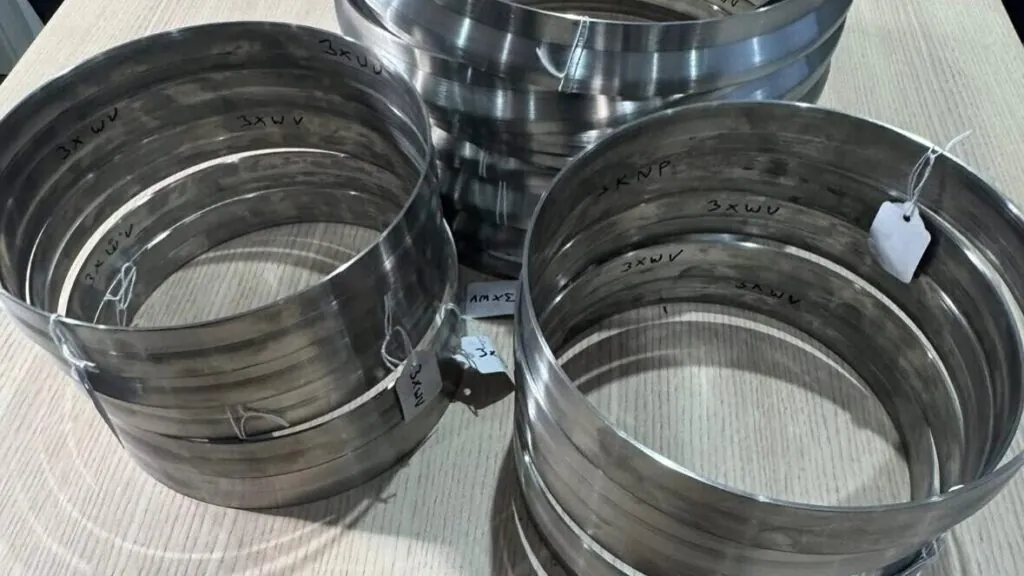
Large Hadron Collider Reducers
Project
Large Hadron Collider
Worked with
University of Southampton
Part
Reducers
Material
Stainless steel
The job
The Large Hadron Collider at CERN in Geneva is the world’s largest particle accelerator, and it’s being upgraded so it can produce far more collisions and give its experiments far more data.
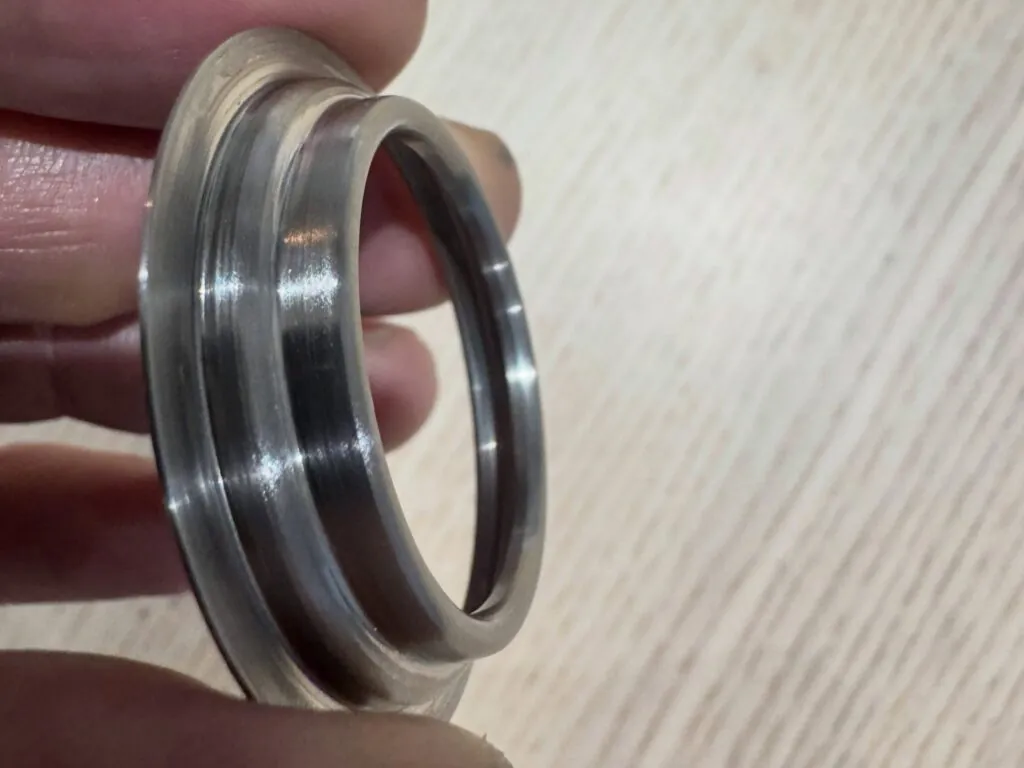
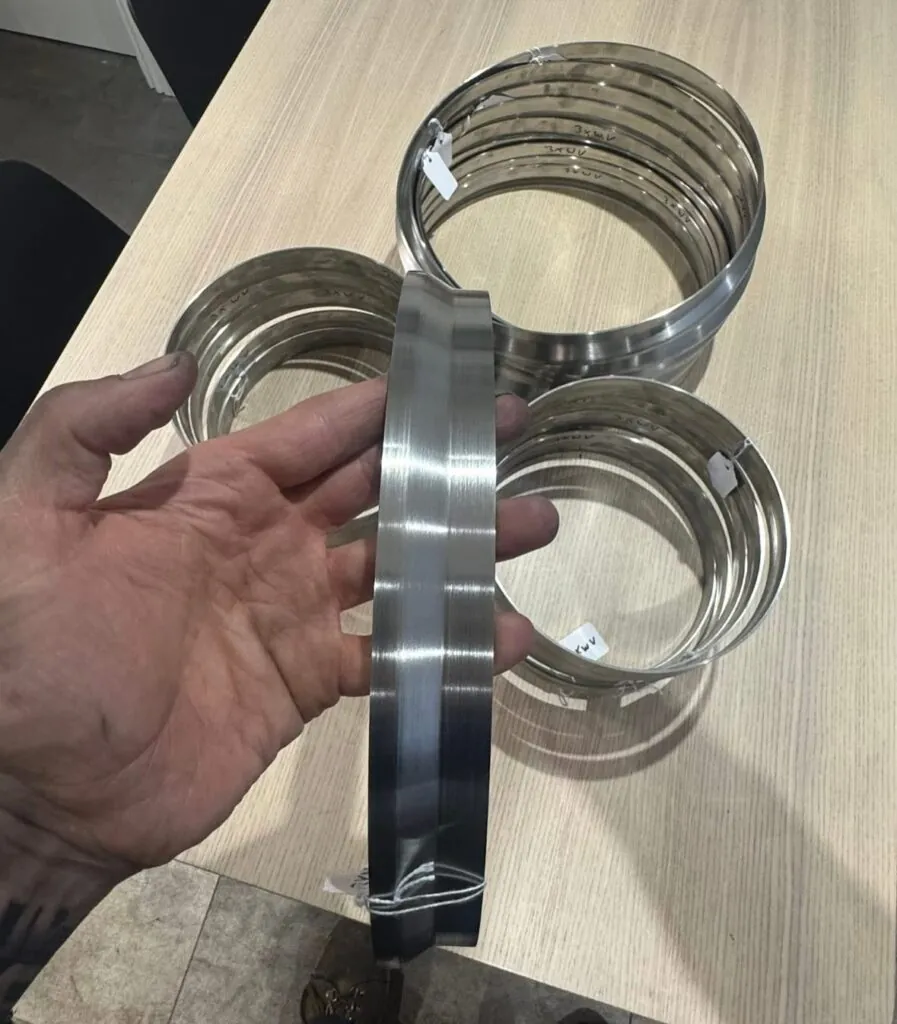
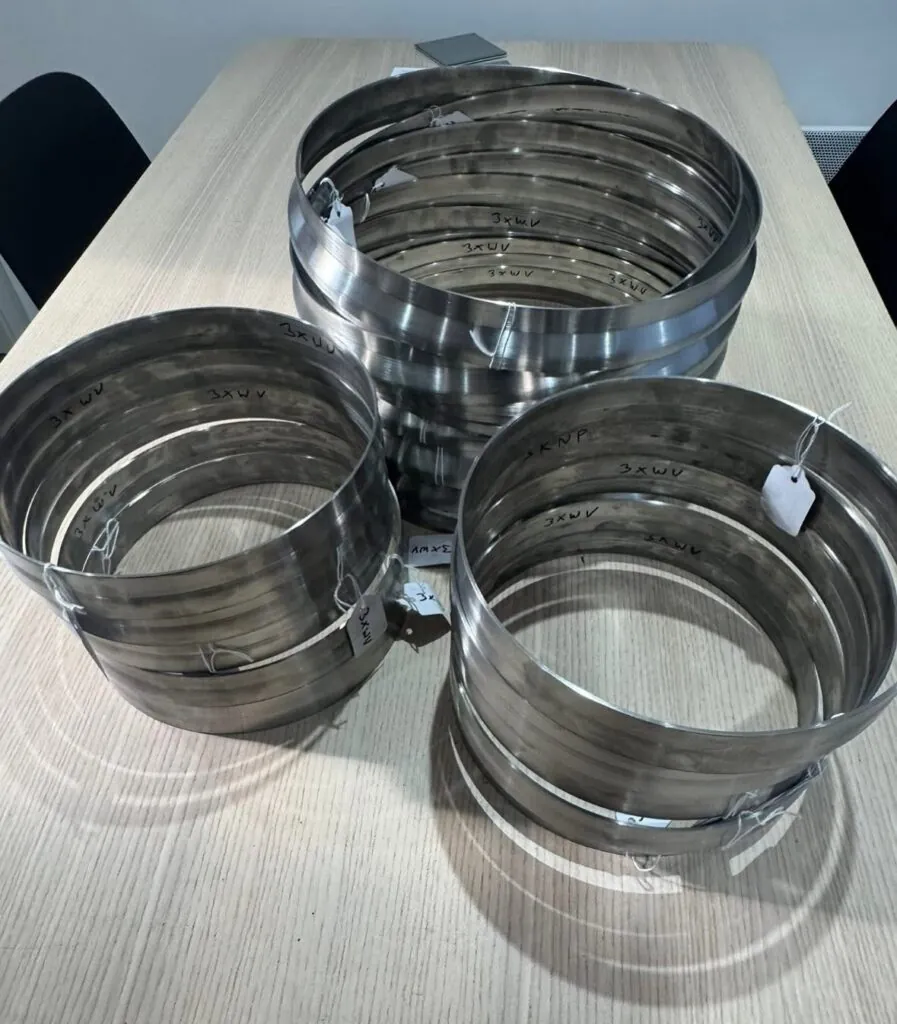
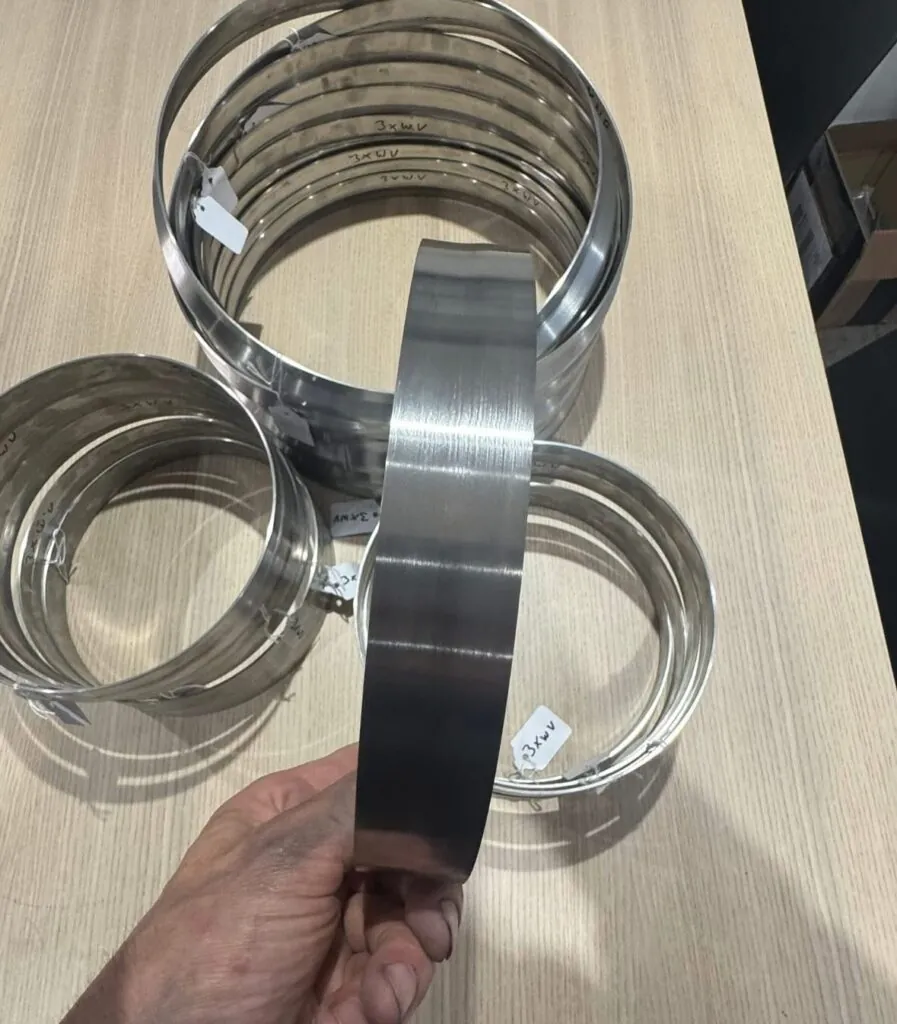
We were asked to make parts for that work. The University of Southampton, which is involved in the project, contacted us needing a reducer, and we went on to collaborate with the university on parts for the second phase of updates.
A long way from a converted pig shed
The UK has a real stake in this upgrade. Eight UK universities are involved, alongside national laboratories, and UK Research and Innovation has said that much of the hardware is expected to come from UK industry. Our part was small in the scale of the project, but it came out of a six person workshop in Waterlooville.
We started in 2010 in a converted pig shed. As Kevin Hobbs told The News, Portsmouth, it has been “15 years of blood, sweat and tears”. When we shared these parts on Instagram we said they looked ordinary, and they do. It’s still the sort of job that makes it all worthwhile.
The part
A reducer is a transition between two diameters, used to join a wider section to a narrower one. It’s a shape that suits spinning, because the part is formed from a single blank over a mandrel and the spun section has no joins.
We’ve made reducers for other industries over the years too, including stainless steel reducers for heating. One way we make them is to spin a cone from a first operation draft, forming a complete hollow section, then cut out the front so the part is open at both ends.
The people who made them
Sam Santos and Brandon Murphy were key to making the collider part. Sam joined the team in 2013 and has worked with materials including Kovar, Monel and Duplex. Brandon joined in 2022, and tight tolerance work is his forte.
Other scientific work
The collider isn’t our only link to this kind of equipment. We also make tight tolerance optical parts, which end up in things such as satellites and particle accelerators.
Coverage and further reading
Related pages
Metal spinning tolerances
What affects accuracy on a spun part, and how to dimension a drawing for it.

Get started
Ready to start a project?
Send us your drawings or specification and we’ll come back to you with a quote.
Prefer to talk it through first? Call us on 02392 259 680 and we’ll help scope out your project.